Most people think freediving is about holding your breath. It isn't, not really. It's about letting go of the urge to do anything at all.
On the surface, before a dive, there's a moment we never rush. You float. You breathe slowly. The water moves you a little and you let it. Nothing is happening yet, and that nothing is the most important part. This is where the dive actually begins — not at the buoy, not at depth, but in the few minutes where your nervous system decides whether today it trusts the water.
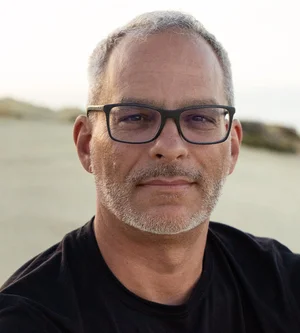
Luke has spent years studying meditation, and it shows in the way he teaches. He doesn't talk about conquering anything. He talks about surrender — a word that sounds soft until you've tried it ten metres down, where the body still wants to fight and the mind has to learn, gently, to stop. Beginners often arrive expecting a sport. They leave having found a kind of stillness they didn't know they were missing.
There's a physical reason this works. As you descend, your heart rate drops. Blood shifts inward. The body has an ancient reflex for being underwater, one we share with seals and dolphins, and it switches on whether you believe in it or not. But the reflex responds to calm, not to effort. Tense up and the dive gets harder. Relax and the water seems to carry you.
That's the quiet paradox at the centre of everything we do. The deeper you want to go, the less you can force it. Progress comes from doing less, not more — slowing the breath, softening the shoulders, letting the kick become smaller and smoother until you're barely moving and still gliding.
You don't need to be an athlete for any of this. You don't need to be fearless. You need to be willing to be still for a few minutes, in good company, with someone watching who knows exactly what they're doing. Safety is what makes the surrender possible. When you trust the person on the line, your body relaxes — and relaxation is the whole skill.
People come to Gozo for the clear water and the famous sites. They stay because of how the practice makes them feel afterwards: lighter, slower, more themselves. That feeling doesn't stay in the sea. It follows you back up the rope, onto the boat, into the evening.
Breath. Body. Water. One quiet practice. That's freediving, and it's available to almost anyone who's curious enough to try.